Pressure Washing Decks, Pavers and Siding: What to Know Before You Start
Every surface wants a different pressure, a different nozzle and a different order of operations.
October 20, 2026 · 4 min read
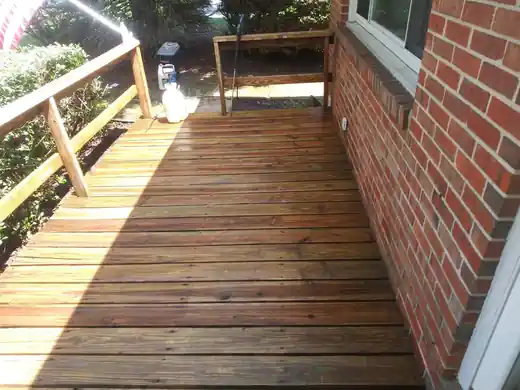
Algae on the north side of the house, green film on the deck, a driveway that's gone gray over the winter. Pressure washing makes quick work of all of it, and it can also gouge wood, strip paint and push water where it shouldn't go. The difference is knowing what each surface can take.
Match the pressure to the surface
Concrete is the most forgiving. Driveways, sidewalks, curbs and steps can handle more pressure and a narrower nozzle, which is why they clean up so dramatically. Wood and composite decks are a different story. Too much pressure raises the grain on wood, leaving a fuzzy, rough surface, and too narrow a nozzle held close can leave stripes you'll see for years. Wider fans, more distance and working with the grain give a cleaner result.
Vinyl siding needs a gentle approach. Wash from the top down and avoid aiming upward, since siding laps are designed to shed water running down, not water driven up from below. Done properly, it's one of the quickest ways to make a house look newer. Fences and retaining walls get a surface wash, which is a lighter touch than the full-pressure treatment concrete gets.
Don't overlook the places water collects. Gutter areas and downspouts are often clogged with the same leaves and grit that end up on the patio, and clearing them as part of an exterior cleaning keeps water moving away from the house instead of over the siding you just washed. Porch floors, stairwells and cobwebs under eaves are quick wins that make the whole entry feel fresh.
Prep before the water comes out
A little preparation prevents most problems. Move furniture, planters and grills off the surface. Sweep or blow off loose debris and leaves. Close windows and check for loose boards, cracked caulk or gaps around doors and windows. Wet down nearby plants beforehand so they're less affected by runoff.
Work in order. Siding comes first, since dirty water runs down onto everything below it, and decks, patios and walkways come after. Rinsing last gives you a clean finish rather than a streaked one. Hertzog Lawn Mowing Service uses the right pressure, nozzles and technique for each surface, and typically coordinates washing with the same visit as your lawn care, so you aren't hiring another contractor.
Timing a wash before a home sale or a family gathering is a smart use of a weekend, and a cleaned entry, driveway and front walk change the first impression of a house more than almost any other single project. Paired with fresh mulch and a trimmed lawn, it's an easy way to get a property ready to show.
How often, and when
Once or twice a year works for most homes, especially after winter or during peak pollen season in spring. High-traffic areas like driveways may need more attention. Humid summers on the coastal plain give algae and mildew plenty to work with, so shaded sides of the house and decks near trees usually need it sooner.
If you're planning to stain or seal a wood deck after cleaning, it needs to dry completely first. Follow the product's directions on drying time rather than guessing. Moisture trapped under a stain or sealer causes peeling and cloudiness.
Pavers are a two-step job
Paver patios and walkways are where people most often run into trouble. Pressure washing cleans the surface, but it also blasts sand out of the joints between pavers. That sand is what locks the pavers together and keeps weeds and ants out. After a deep clean, the joints usually need to be refilled before the surface is finished.
Sealing is a separate step, and the order matters: clean first, let the pavers dry, refill the joints, then seal. Sealer applied over damp or dirty pavers can turn cloudy or trap the dirt underneath it. David Hertzog is a Certified Techniseal Applicator, so he understands how these products are meant to go on and what a paver surface needs before they do. If sealing is on your mind, ask him about it when you call.
Upper stories and hard-to-reach places
Second-story siding and raised decks are cleaned with extension wands, so ladders and lifts aren't needed in most cases. That keeps the work safer and avoids the risk of a ladder resting on a freshly washed, slick surface.
Eileen Pysher, a Google reviewer, hired the crew for a patio cleanup and some branch removal. She wrote, "I needed my patio cleaned up & a few tree branches cut & removed. They did a fabulous job!" Combining jobs on one visit is common, and it means a single walkthrough covers everything.
If your deck, patio or siding is overdue for a wash, call David Hertzog at (484) 332-5555 for a free, no-obligation estimate. He'll look at the surfaces in person and recommend what's right for each one, anywhere in Millsboro or Sussex County.
Hertzog Lawn Mowing Service, (484) 332-5555
Call (484) 332-5555More articles
How Often to Mow a Sussex County Lawn, and How Short to Cut It
The right mowing schedule follows the grass, not the calendar, and the cutting height matters as much as the frequency.
Fall Leaf Cleanup in Sussex County: When to Schedule It and Why It Matters
Wait for most of the leaves to come down, but not so long that a wet mat sits on your grass all winter.