Shrub and Hedge Pruning: When to Cut, How to Shape, and When to Call a Tree Specialist
Good pruning is mostly about timing and restraint, and some limbs belong to a specialist with the right equipment.
October 20, 2026 · 4 min read
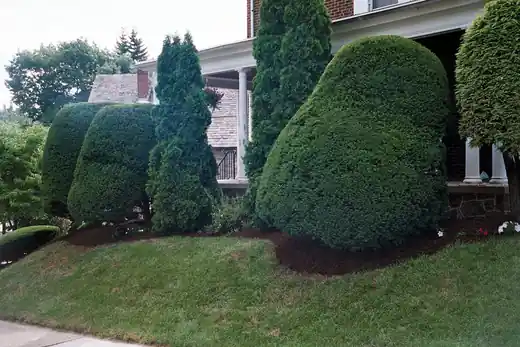
Shrubs that are never trimmed grow into the siding. Shrubs that are trimmed at the wrong time lose their flowers. And shrubs that are cut hard in a hurry can take a year or more to look right again. Pruning is one of those jobs where knowing when and how much matters more than the tools you use.
Timing depends on the plant
As a general rule, most pruning is done in late winter or early spring before new growth starts. The plant has stored energy, the cuts heal quickly once growth begins, and with leaves gone you can see the structure of the branches. Light trimming and shaping can usually happen at other times of year, depending on the plant.
Hedges follow similar logic. A fast-growing privacy hedge may need a trim more than once a year to hold its line, while slower plants can go a full season between cuts. The goal is to take off a little at a time. A hedge that's been left alone for years and then cut back to bare branches is a hedge that may never fill in the same way.
The big exception is spring-flowering shrubs. Azaleas, forsythia and lilacs set their buds the year before, so cutting them in late winter removes the flowers you were waiting for. These are better pruned soon after they finish blooming. If you're not sure what you have, it's worth finding out before you cut.
Shape it so the whole plant gets light
A hedge cut wider at the top than at the bottom shades its own lower branches, and those branches thin out and go bare. Keeping the base slightly wider than the top lets light reach the whole plant, so it stays full from the ground up. Rounded shrubs hold their shape best when they're trimmed lightly and often instead of hacked back once a year.
Clearance matters for your house, not just the plant. Overgrown shrubs and branches can scrape siding, press against windows and send limbs onto a roofline. Keeping a gap between plants and the structure also allows air to move, so moisture doesn't sit against the house. Yard line and structure clearance is a regular part of routine tree and shrub work.
Overgrown plants also block sunlight and airflow to everything planted behind them. A tall shrub that shades a smaller perennial bed can quietly starve it, and a tree limb that drops over a walkway can turn into a safety problem the first time a storm comes through. Cutting back early, while the branches are still small, is almost always easier on the plant and on you.
After a storm: evergreens and broken limbs
Heavy snow, ice and wind can splay arborvitae and other upright evergreens, split branches and leave ragged breaks. The usual approach is to cut broken limbs cleanly back to a sound junction rather than leaving a torn stub. One thing worth knowing is that many evergreens don't sprout well from bare, old wood, so cutting back too hard can leave a permanent hole. That's an argument for careful, conservative pruning on a damaged plant.
Nancy Banks, a Google reviewer, had Mr. Hertzog out for just that situation. She wrote that he "trimmed an Arborvitae damaged by the winter storm and trimmed a very large bush in my yard. He did an excellent job." Storm cleanup can usually be scheduled the same week or the next day, subject to availability.
Where shrub trimming ends and tree work begins
Hertzog Lawn Mowing Service handles ground-level and mid-height branches. Work in the high canopy and full tree removal is a different job, with different equipment and different risks, and David refers those jobs to a trusted local tree specialist. After the specialist finishes, the crew can help with cleanup. It's the right call to bring in a specialist rather than stretch past what's safe.
Wondering whether a limb is a problem? Look for these signs:
- Dead branches that no longer leaf out
- Cracks in the trunk or where a limb meets the trunk
- A tree that's leaning more than it used to
- Limbs hanging over a roof, a driveway or a walkway
If you see any of them, have someone look before the next storm, not after. A walkthrough costs nothing and can tell you whether it's a trimming job or a specialist job.
A realistic plan for most properties
Most yards do best with a main pruning in late winter or early spring, a light shape-up in summer for fast growers, and a check after any big storm. Small, regular trims keep plants healthy and keep you from having to do drastic work later. Plant health checks, dead limb removal and overgrowth control all fit into the same visit.
If your shrubs have outgrown their spots or took a beating this past winter, call David Hertzog at (484) 332-5555 for a free, no-obligation estimate. He serves Millsboro and surrounding communities across Sussex County.
Hertzog Lawn Mowing Service, (484) 332-5555
Call (484) 332-5555More articles
How Often to Mow a Sussex County Lawn, and How Short to Cut It
The right mowing schedule follows the grass, not the calendar, and the cutting height matters as much as the frequency.
Fall Leaf Cleanup in Sussex County: When to Schedule It and Why It Matters
Wait for most of the leaves to come down, but not so long that a wet mat sits on your grass all winter.